Aṣáájú Ìṣọ̀kan Áfíríkà · 2026–2030
Ọ̀wọ̀ Dr. Samia
Suluhu Hassan
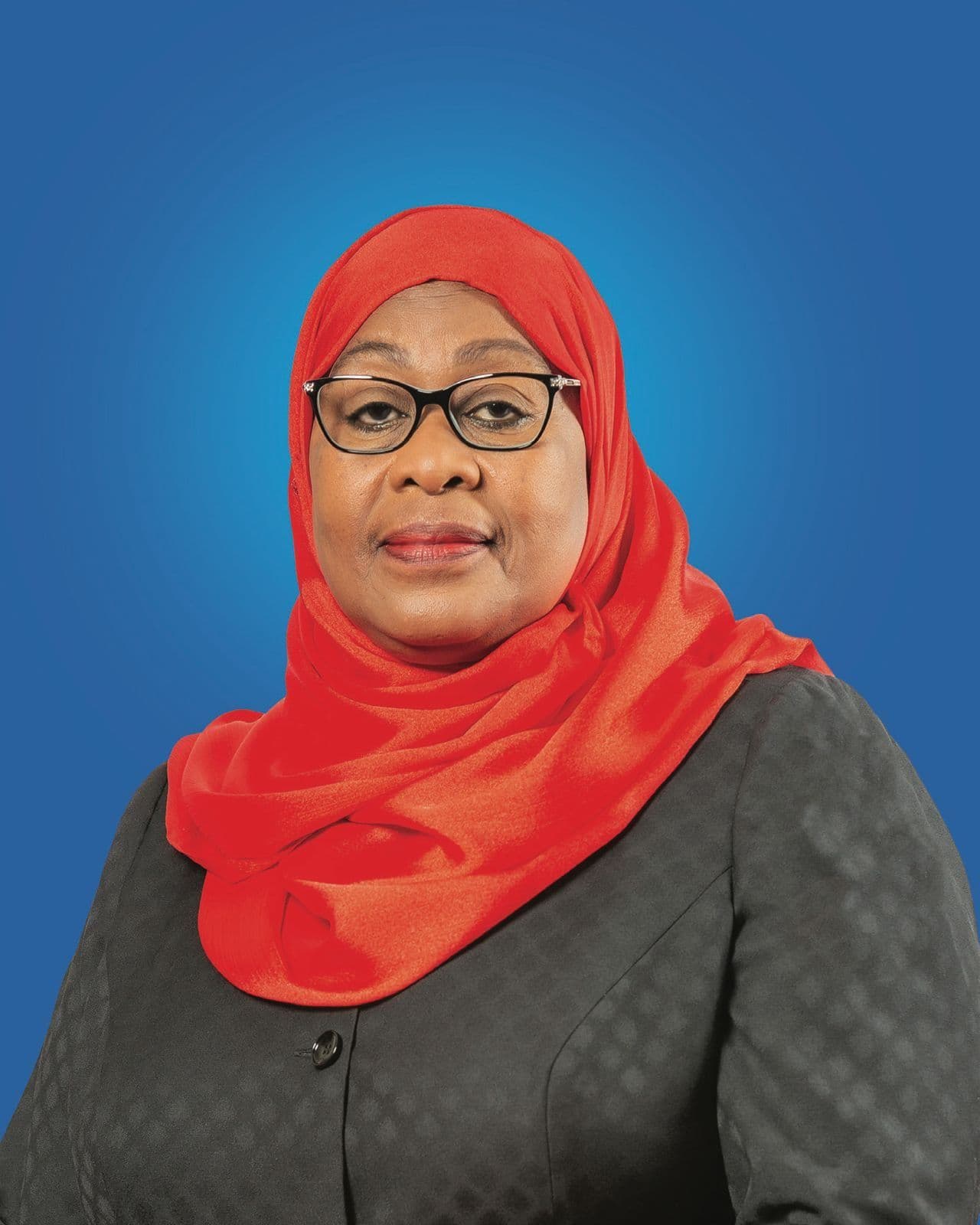
Ààrẹ Orílẹ̀-èdè Olómìnira Aṣọ̀kan Tanzania. Àpéjọ Àwọn Olórí Orílẹ̀-èdè àti Ìjọba Ìṣọ̀kan Áfíríkà yàn án ní Oṣù Kejì 2026 gẹ́gẹ́ bí Aṣáájú fún Ìlera Ìyá àti Ọmọ, lábẹ́ Ìpinnu AU/Feb. 15(39th AU Ordinary Assembly).
Àṣẹ náà- 55
- àwọn orílẹ̀-èdè ọmọ ẹgbẹ́ AU ń kópa nínú Àwòrán Ọ̀nàDecision AU/Feb. 15(39th AU Ordinary Assembly)
Góńgó náà
Ohun tí àṣẹ náà jẹ́ fún
Láti kó ìdarí àti ìfarajìn òṣèlú ipò gíga jọ, ìnáwó ilé àti ti alábàáṣepọ̀, àtìlẹ́yìn ìmúṣẹ àti ìjíhìn láti yára ìlọsíwájú nínú ìlera ìyá, ọmọ tuntun, ọmọdé àti ọ̀dọ́, kí a sì mú SDG 3.1 àti SDG 3.2 ṣẹ ní àwọn orílẹ̀-èdè ọmọ ẹgbẹ́ Ìṣọ̀kan Áfíríkà.
A ń gbé àtìlẹ́yìn ga fún àwọn orílẹ̀-èdè tí ó ru ẹrù ikú ìyá, ọmọ tuntun àti ọmọdé tí a lè dènà jùlọ. Gbogbo orílẹ̀-èdè ọmọ ẹgbẹ́ 55 ni ó jẹ́ apá kan Àwòrán Ọ̀nà; ìyàtọ̀ láàrin wọn ni agbára àti irú àtìlẹ́yìn, kì í ṣe ìkópa.
Àwòrán Ọ̀nà jẹ́ ìlànà ìdarí òṣèlú àti ìyára ìmúṣẹ, kì í ṣe ìlànà RMNCAH tuntun tàbí ètò ìmúṣẹ tó jọra. Ó dojú kọ ibi tí Aṣáájú ti ń fi iye pàtàkì kún: ìdarí òṣèlú ipò gíga àti agbára ìkójọ, ìjíhìn, ìbágbépọ̀ àti ìkójọ ìnáwó, àti àbójútó ìmúṣẹ tí a ṣètò.
Àwọn ìlànà ìdarí
Ìlànà márùn-ún ń darí ìpinnu kọ̀ọ̀kan
- 01
Ìdarí Áfíríkà, ìní orílẹ̀-èdè ọmọ ẹgbẹ́ àti àjọṣepọ̀ tó bára mu
Àwọn orílẹ̀-èdè ọmọ ẹgbẹ́ ni ó ń darí ìpinnu ohun pàtàkì orílẹ̀-èdè, ìnáwó àti ìmúṣẹ. Aṣáájú ń pèsè ìdarí òṣèlú àti agbára ìkójọ; Africa CDC ń ṣètò àtìlẹ́yìn ìmọ̀-ẹ̀rọ gbogbo ilẹ̀ Áfíríkà; àwọn alábàáṣepọ̀ ń bá àwọn ohun pàtàkì àti ètò tí orílẹ̀-èdè ní mu.
- 02
Àtìlẹ́yìn orílẹ̀-èdè tó yàtọ̀ tí ìdọ́gba ń darí
Gbogbo orílẹ̀-èdè ọmọ ẹgbẹ́ 55 ni ó jẹ́ apá kan Àwòrán Ọ̀nà, ṣùgbọ́n àtìlẹ́yìn yàtọ̀ gẹ́gẹ́ bí ẹrù, ọ̀nà sí SDG, àlàfo iṣẹ́ àti ìdọ́gba, ẹlẹgẹ́, ìjà àti ìdàrúdàpọ̀ ẹ̀dá ènìyàn, ìdíwọ́ ìnáwó àti ìmúṣẹ, àti ìbéèrè àti ìmúrasílẹ̀ orílẹ̀-èdè.
- 03
Fún àwọn ètò tí ó wà lókun, kì í ṣe ìkọ́ àwọn ètò tó jọra
Àwòrán Ọ̀nà kọ́ lórí àwọn ètò, ilé iṣẹ́, ìṣètò ìnáwó àti ọ̀nà ìṣọ̀kan orílẹ̀-èdè. Ìsopọ̀ ń dín ìtúnṣe tí a lè yẹ̀ kù nínú ètò, àbójútó, ètò ìsọfúnni àti ìṣọ̀kan tí ó kan iṣẹ́ iwájú kan náà.
- 04
Fẹ àwọn ìgbésẹ̀ tí a ti fi ìdí rẹ̀ múlẹ̀ tí ó sì sopọ̀ ní gbogbo ọ̀nà ìtọ́jú
A ń ṣe àtìlẹ́yìn fún àwọn orílẹ̀-èdè láti fẹ àwọn ìgbésẹ̀ tó ní ipa gíga láti àdúgbò àti ìtọ́jú ìlera àkọ́kọ́ dé iṣẹ́ ìtọ́kasí. Ìsopọ̀ nílò ọ̀nà tí a ṣètò, ìtẹ̀síwájú ìsọfúnni, ìtọ́kasí tí ó bá ara mu àti ìjíhìn tí ó bára mu, kí ènìyàn má bàa sọnù láàrin àwọn ètò.
- 05
Ná owó fún àbájáde, jíhìn fún ìmúṣẹ kí o sì máa kẹ́kọ̀ọ́ nígbà gbogbo
A ń mú àwọn ohun èlò bá àwọn ohun pàtàkì orílẹ̀-èdè àti àbájáde tí a lè díwọ̀n mu, pẹ̀lú ìnáwó ilé tí àtìlẹ́yìn amúnisọ̀rọ̀ àti ti alábàáṣepọ̀ ń fún lókun. A ń lo ẹ̀rí láti tọpa àwọn ìlérí, láti fa ìgbésẹ̀ àtúnṣe àti láti yára ìfẹ̀ ohun tí ó ń ṣiṣẹ́.
Ìlànà náà
Góńgó ìlànà mẹ́ta
Àwòrán Ọ̀nà yí Ìlànà Ìyípadà rẹ̀ padà sí góńgó mẹ́ta tí ó ń fún ara wọn lókun, ó ń so àṣẹ òṣèlú àti ìkójọ Aṣáájú pọ̀ mọ́ ìnáwó, ìjíhìn àti àtìlẹ́yìn ìmọ̀-ẹ̀rọ tí a ṣètò tí a nílò láti yára àbájáde ní ipele orílẹ̀-èdè.
- SO-1
Mobilise political leadership and partnerships for improved accountability
Uses the AU MCH Champion’s political leadership and convening power to strengthen accountability and accelerate action on RMNCAH and the Three Zeros.
Ó dojú kọ
- 1Sustained high-level political leadership and advocacy for RMNCAH and the Three Zeros
- 2A continental accountability and evidence system anchored in the RMNCAH Scorecard and Dashboard
- 3Recognition and promotion of African-led leadership and innovation
- SO-2
Mobilise and align investment and delivery systems for RMNCAH
Puts in place the financing, products, partnerships and digital systems needed to turn national RMNCAH priorities into implementation.
Ó dojú kọ
- 1Turning national priorities into costed, implementation-ready RMNCAH Investment Cases linked to domestic financing and aligned partner support
- 2Ensuring reliable access to priority medicines, vaccines and other lifesaving products through stronger procurement, pooled purchasing and African manufacturing
- 3Advancing PHC digitalisation to strengthen service delivery, referral, supply chains and timely use of data
- SO-3
Accelerate country implementation of high-impact RMNCAH interventions
Provides coordinated technical assistance to countries in need of intensified support to scale proven RMNCAH interventions and sustain them.
Ó dojú kọ
- 1Supporting country implementation and scale-up of high-impact RMNCAH interventions across the continuum of care
- 2RMNCAH workforce development, equitable deployment, motivation and retention, with strengthened CHW capacity
- 3Strengthening implementation capacity and South–South learning through a proposed African RMNCAH Centre of Excellence in Tanzania
Ìṣàkóso
Ìdarí òṣèlú, àbójútó àti àtìlẹ́yìn ìmọ̀-ẹ̀rọ, tí a pínyà
Ètò náà pín ìdarí òṣèlú, àbójútó ìmúṣẹ àti àtìlẹ́yìn ìmọ̀-ẹ̀rọ níyà nígbà tí ó ń pa ìní orílẹ̀-èdè ọmọ ẹgbẹ́ mọ́. Àwọn orílẹ̀-èdè ọmọ ẹgbẹ́ ni ó ní tí wọ́n sì ń darí ìnáwó àti ìmúṣẹ orílẹ̀-èdè láti ìbẹ̀rẹ̀ dé òpin.
| Olùkópa | Ipa | Góńgó |
|---|---|---|
| AU MCH Champion | Political leadership | Provides high-level political leadership; convenes Heads of State and Government; champions RMNCAH and the Three Zeros; mobilises political and financing commitments; promotes peer accountability; and presents progress through relevant AU policy organs. |
| AU MCH Champion Secretariat | Implementation oversight | Based in Tanzania and headed by the Special Adviser to the AU MCH Champion or another senior designate. Prepares and follows up high-level engagements; leads advocacy and strategic communications; tracks political, financing and partner commitments; supports resource mobilisation; oversees Roadmap implementation and performance; and facilitates accountability and follow-up. |
| Africa CDC | Technical coordination | Leads continental technical coordination and implementation support to Member States, leveraging its technical divisions, Regional Coordinating Centres and continental mechanisms for PHC, workforce, financing, digital health, immunisation, product access and procurement. Provides technical leadership for the RMNCAH Financing Accelerator. |
| Government of the United Republic of Tanzania | Institutional home | Provides the institutional home and enabling support for the Secretariat, including engagement across ministries and public institutions, diplomatic and protocol support, administrative arrangements, and liaison with AU institutions and partners. Facilitates establishment of the proposed African RMNCAH Centre of Excellence. |
| African Union Commission | Policy coherence | Provides institutional legitimacy and policy coherence; aligns the Roadmap with Agenda 2063 and relevant AU frameworks including the AU Health Roadmap to 2030 and CARMMA-Plus; and facilitates reporting through appropriate AU policy organs. |
| Member States | Ownership and delivery | Own and lead country implementation. Determine national priorities, integrate Roadmap commitments into national RMNCAH plans and investment frameworks, mobilise domestic resources, coordinate partners through existing national mechanisms, translate priorities into subnational delivery arrangements, implement interventions and report progress. |
| Regional Economic Communities | Regional support | Support regional policy dialogue, contextualisation of continental priorities, peer learning, cross-country collaboration and technical exchange, working alongside Africa CDC’s Regional Coordinating Centres. |
| Development, technical and financing partners | Aligned support | Support country implementation through financing, technical expertise, products, evidence and implementation capacity, aligned with Member State priorities and national mechanisms. Partner commitments and contributions are tracked through the Roadmap’s accountability framework. |
Ìjíhìn
Láti ẹ̀rí sí ìgbésẹ̀ sí àbájáde
Ìyípo ìpele mẹ́rin ń so iṣẹ́ orílẹ̀-èdè pọ̀ mọ́ ìgbésẹ̀ ìmọ̀-ẹ̀rọ àti òṣèlú. A ń kọ́kọ́ yanjú àwọn ọ̀rọ̀ nípasẹ̀ ọ̀nà orílẹ̀-èdè; àwọn tí ó nílò ìgbésẹ̀ òṣèlú ni a ń gbé sókè sí Aṣáájú.
- 01
Country validation and action
Member States validate performance, review mortality, service-readiness, financing and implementation bottlenecks, and initiate corrective action through national and subnational systems.
- 02
Africa CDC technical review
Africa CDC, supported by the relevant TWGs and partners, consolidates evidence, reviews implementation and financing gaps, and coordinates technical support and corrective actions.
- 03
Political escalation and engagement
Unresolved barriers requiring high-level political action are elevated through the Secretariat to the AU MCH Champion for political engagement, accountability and resource mobilisation.
- 04
Follow-up and results
Agreed commitments and corrective actions are documented and tracked through subsequent Scorecard and Dashboard reviews, closing the loop from evidence to action to results.
Ẹgbẹ́ Iṣẹ́ Ìmọ̀-ẹ̀rọ mẹ́ta
Three Technical Working Groups aligned with the Roadmap’s Strategic Objectives provide technical coordination, review progress, identify implementation gaps and recommend corrective action. They meet each quarter jointly to review progress and elevate unresolved strategic bottlenecks for higher-level action.
Àyẹ̀wò òmìnira
- 2028Mid-Term Review
- Assess implementation, financing, results and constraints and recommend adjustments for the remaining period.
- 2030End-Line Evaluation
- Assess overall performance, results, sustainability and institutionalisation, and inform the post-2030 continental agenda.
Ìṣàkóso ewu
A live risk register, reviewed at least twice yearly, covers political, financing, implementation, governance, data, partner-alignment, fragility, conflict and humanitarian disruption, supply-chain, equity and reputational risks. Each material risk has an owner, mitigation measures and an escalation trigger.