Tushen shaida
Yadda shekaru goma na aiwatarwa suke
Wa’adin ya dogara kan tarihin ƙasa da aka rubuta. Babi na 1.3 na Taswirar Aiki ya bayyana abin da Tanzaniya ta gina, abin da ya canza, da waɗanne darussa ne za a iya kwafa.
Tarihin Tanzaniya- 104
- mutuwar uwaye a kowace haihuwa 100,000, an bayar da rahoto — daga 556 tsakanin binciken 2015/16 da na 2022Tanzania Demographic and Health Survey and Malaria Indicator Survey, 2022
Samfurin Tanzaniya
Jagorancin siyasa, tare da saka hannun jari
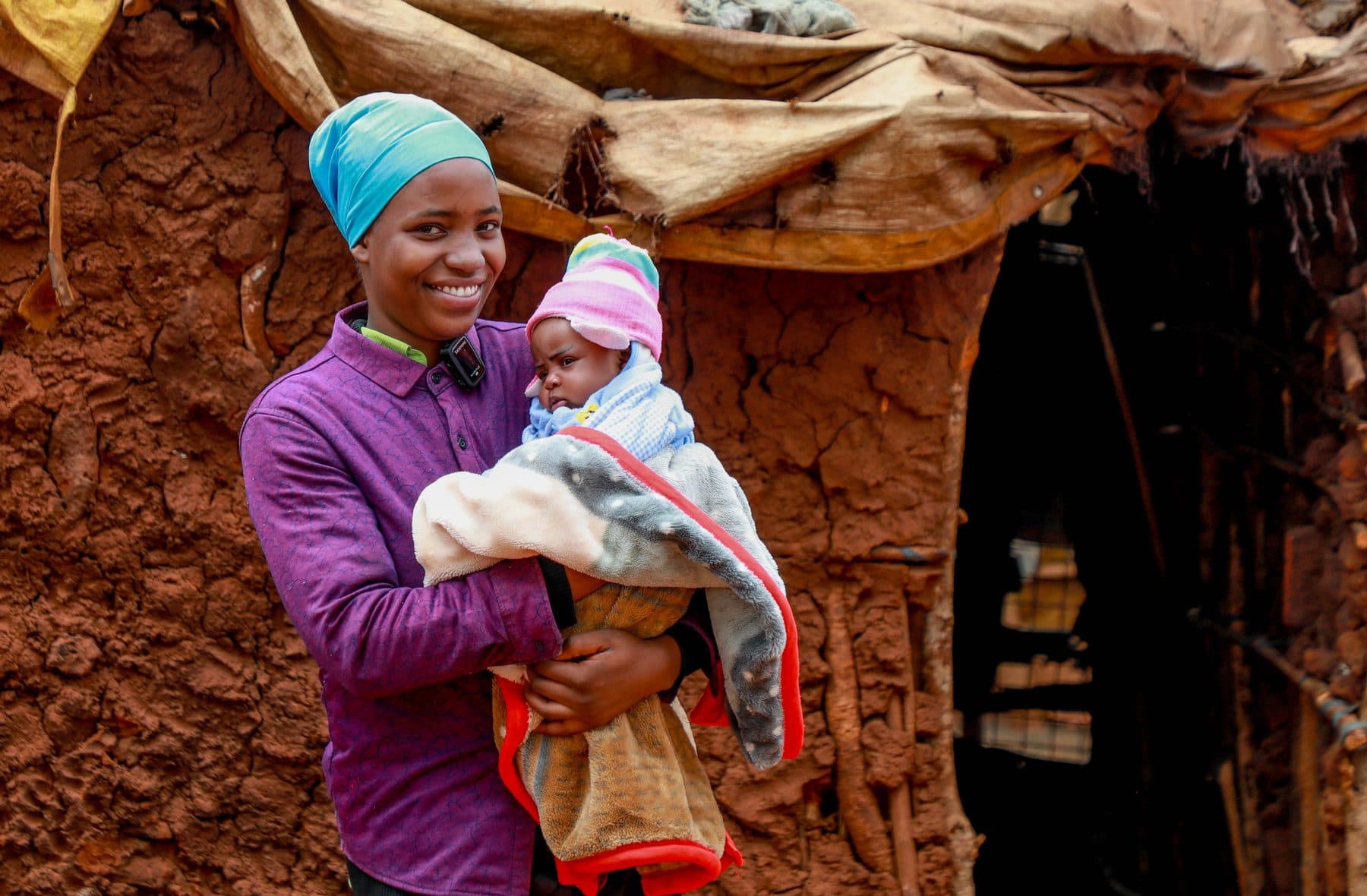
The Roadmap builds on Tanzania’s sustained journey of political leadership, accountability, health system reform and investment in maternal, newborn and child health. Over more than a decade, Tanzania strengthened primary health care, infrastructure, referral systems, workforce, community systems, commodities, digital platforms and financing.
Abin da ya canza
Sakamakon da aka bayar da rahoto
Maternal mortality ratio
556104
per 100,000 live births
2015/16 to 2022 TDHSNeonatal mortality
2624
per 1,000 live births
2010 to 2022Facility deliveries
51%81%
of births
2010 to 2022Skilled birth attendance
49%85%
of births
2010 to 2022
Abin da aka gina
Kayan more rayuwa, ma’aikata da tsarin al’umma
- Health facilities
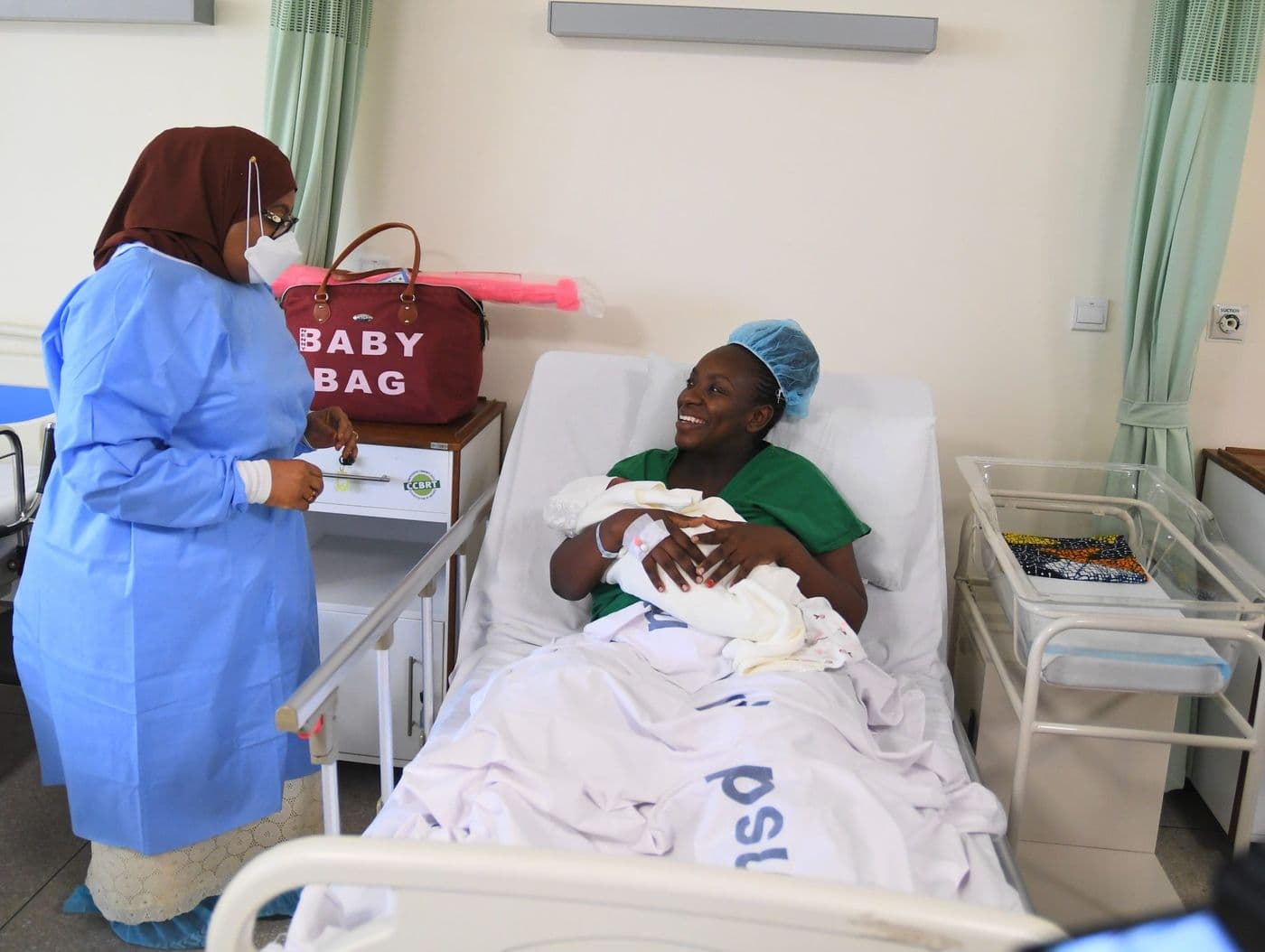
- Network expanded from approximately 10,000 to 13,700 facilities by March 2026, including 119 district hospitals, 649 health centres and more than 2,700 dispensaries constructed.
- Comprehensive emergency obstetric and newborn care
- Health centres providing CEmONC increased from 115 in 2015 to approximately 630 in 2026.
- Comprehensive neonatal care units
- Increased from 14 in 2018 to 438 in 2026, with a further 61 in advanced plans for construction.
- Health workforce
- Increased by approximately 70 per cent since 2022. The Samia Scholarship Programme supported nearly 3,000 health professionals in mid-cadre, specialist and super-specialist training.
- Community health workers
- The Integrated Community Health Workers Programme has trained more than 13,000 community health workers since 2024, towards a national ambition of more than 137,000 by 2030.
Gyaran tsarin
Hanyoyin da ke bayan canjin
- Jiongeze Tuwavushe Salama
- Launched in 2018 by H.E. Dr. Samia Suluhu Hassan, then Vice President — the Go the Extra Mile campaign for accountability to save the lives of mothers and newborns, linking regional and district leadership to measurable health outcomes.
- National RMNCH Scorecard
- Introduced in 2014, strengthening performance tracking and accountability.
- m-Mama
- Strengthened emergency transport and referral.
- One Plan III
- The national RMNCAH service delivery and readiness framework.
- MPDSR and digital systems
- Maternal and Perinatal Death Surveillance and Response alongside digital performance monitoring, strengthening data use and accountability.
- Financing reforms
- The Health Basket Fund, Direct Health Facility Financing, results-based financing, the National Health Insurance Fund and the Universal Health Insurance Act of 2023 connected national priorities, financing and frontline delivery.
Darussa
Abin da za a iya kwafa
- 01
Political leadership has greater impact when linked to measurable accountability.
- 02
Strong primary health care and community systems connect households to prevention, early identification, referral and follow-up, particularly for underserved populations.
- 03
Increased access must be matched by quality, emergency readiness and functional referral.
- 04
Infrastructure must be matched by competent health workers, essential medicines, blood, oxygen, functioning equipment and reliable supply chains.
- 05
Data must lead to action — evidence that identifies gaps, assigns responsibility, guides correction and tracks performance.
Wani muhimmin bayani
The Roadmap does not seek to replicate Tanzania’s model. Member States retain ownership and determine the interventions required by their epidemiologic patterns, health system capacity, financing environment and national priorities. Through the Tanzania Continental Hub for South–South Exchange, Tanzania will contribute its experience while learning from other AU Member States.
Giɓin aiwatarwa
Ba rashin dabaru ba
Babbar matsalar RMNCAH ta Afirka ita ce rauni wajen mayar da fifikon ƙasa zuwa aiki mai kuɗi kuma a shirye don aiwatarwa. Takardun saka hannun jari suna tallafa wa tsara fifiko, amma ba sa juyawa koyaushe zuwa kasafin kuɗi na shekara, tsare-tsaren aiki na ƙananan hukumomi da aka ƙididdige, samuwar kayayyaki mai aminci ko tsarin tura marasa lafiya mai aiki.
Binciken teburi na Africa CDC, Yuli 2026. Nan da 2030, ƙasashe mambobi da ake tallafawa ya kamata su kasance da tsari a shirye don aiwatarwa da ke haɗa fifikon ƙasa da matakan shekara da na ƙananan hukumomi da aka ƙididdige, kuɗaɗe da ake da su, alhaki da aka bayyana a fili da kuma bitar aiki na yau da kullum.
Matsayin takardun saka hannun jari na RMNCAH a ƙasashe mambobi 55
- Takardar saka hannun jari — current/active
- 28
- Requires updating or renewal
- 12
- Broader/de facto national arrangement
- 5
- No standalone investment case
- 10
Tsara fifikon ƙasashe
Yadda ake mai da hankalin tallafi
Tsara fifiko yana jagorantar inda ake tura taimakon fasaha mai ƙarfi, tallafin kuɗaɗe da tallafi mai kuzari na aiwatarwa. Ba matsayi na dindindin na ƙasashe ba ne kuma ba ya ƙayyade shiga cikin Taswirar Aiki.
- Nauyin mutuwar uwaye, jarirai da haihuwar matacce, da tazara daga burukan SDG 3.1 da 3.2
- Hanya da saurin ci gaba
- Taruwar mutuwa, rashin adalci da giɓin shirin sabis, har da a matakin ƙaramar hukuma
- Matsalolin aiwatarwa da na tsarin lafiya
- Giɓin kuɗaɗe
- Shirin ƙasa da yuwuwar tallafi mai kuzari ya haifar da ƙarin sakamako da ake iya aunawa