Ntọala ihe àmà
Otu afọ iri mmezu si adị
Ikike ahụ dabere n'akụkọ mba e dekọrọ. Isi 1.3 nke Maapụ Ụzọ na-akọwa ihe Tanzania wuru, ihe gbanwere, na ihe mmụta ndị a pụrụ ịnyefe.
Akụkọ Tanzania- 104
- ọnwụ nne kwa ọmụmụ ndụ 100,000, dịka a kọrọ — site na 556 n'etiti nnyocha 2015/16 na 2022Tanzania Demographic and Health Survey and Malaria Indicator Survey, 2022
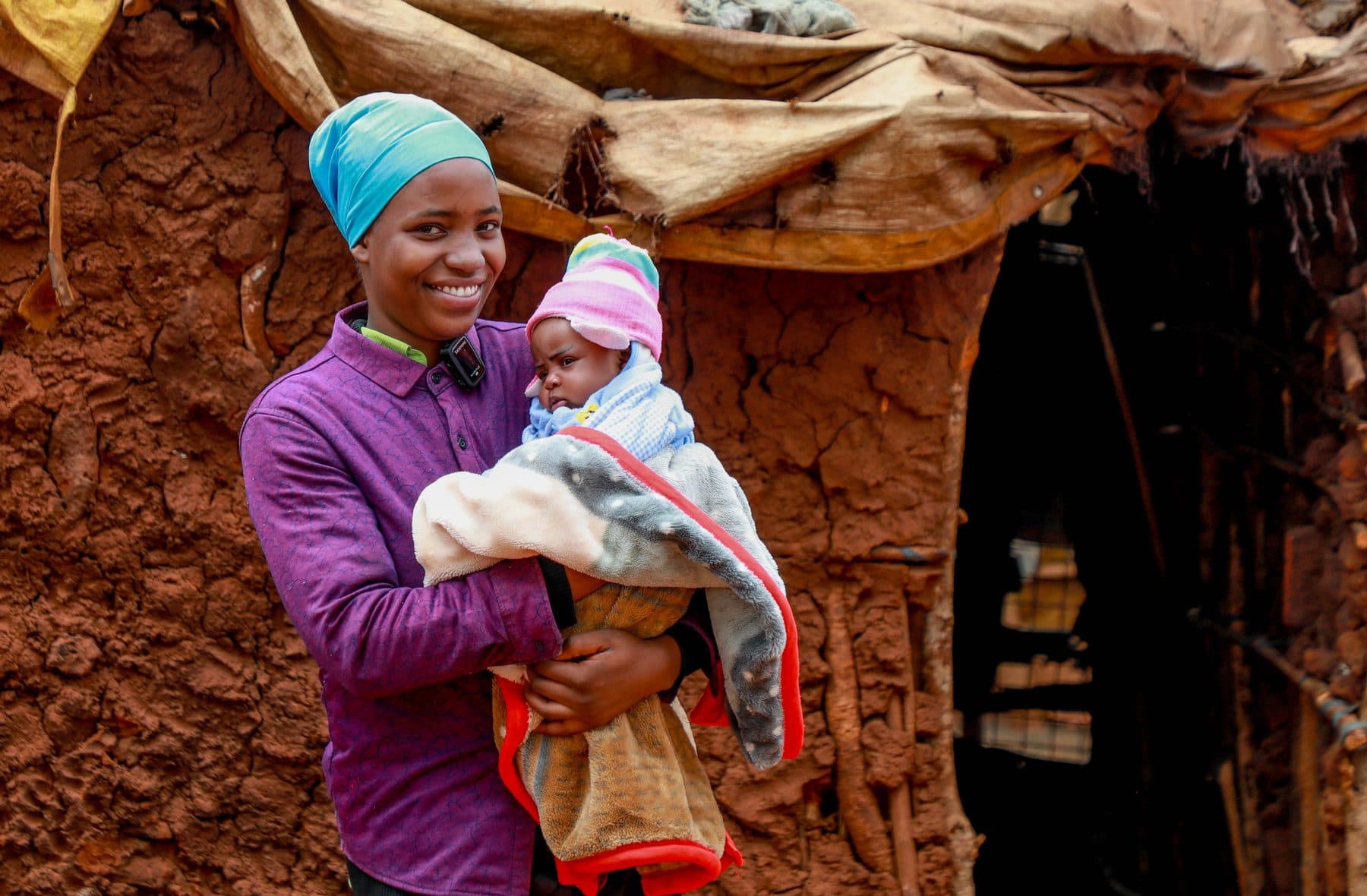
Ụdị Tanzania
Nduzi ndọrọndọrọ ọchịchị, nke itinye ego dabara
The Roadmap builds on Tanzania’s sustained journey of political leadership, accountability, health system reform and investment in maternal, newborn and child health. Over more than a decade, Tanzania strengthened primary health care, infrastructure, referral systems, workforce, community systems, commodities, digital platforms and financing.
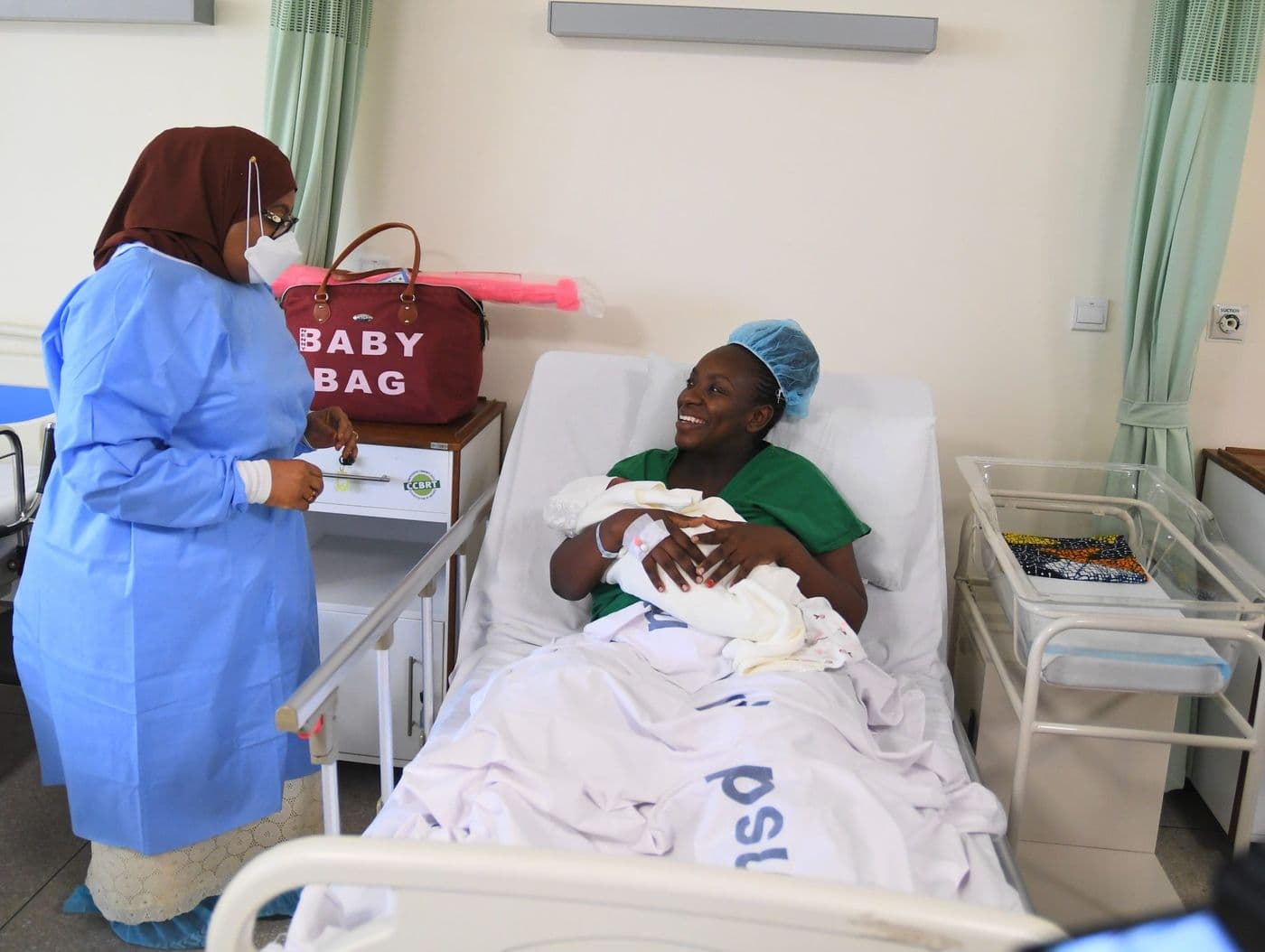
Ihe gbanwere
Nsonaazụ a kọrọ
Maternal mortality ratio
556104
per 100,000 live births
2015/16 to 2022 TDHSNeonatal mortality
2624
per 1,000 live births
2010 to 2022Facility deliveries
51%81%
of births
2010 to 2022Skilled birth attendance
49%85%
of births
2010 to 2022
Ihe e wuru
Akụrụngwa, ndị ọrụ na sistem obodo
- Health facilities
- Network expanded from approximately 10,000 to 13,700 facilities by March 2026, including 119 district hospitals, 649 health centres and more than 2,700 dispensaries constructed.
- Comprehensive emergency obstetric and newborn care
- Health centres providing CEmONC increased from 115 in 2015 to approximately 630 in 2026.
- Comprehensive neonatal care units
- Increased from 14 in 2018 to 438 in 2026, with a further 61 in advanced plans for construction.
- Health workforce
- Increased by approximately 70 per cent since 2022. The Samia Scholarship Programme supported nearly 3,000 health professionals in mid-cadre, specialist and super-specialist training.
- Community health workers
- The Integrated Community Health Workers Programme has trained more than 13,000 community health workers since 2024, towards a national ambition of more than 137,000 by 2030.
Mgbanwe sistem
Usoro dị n'azụ mgbanwe ahụ
- Jiongeze Tuwavushe Salama
- Launched in 2018 by H.E. Dr. Samia Suluhu Hassan, then Vice President — the Go the Extra Mile campaign for accountability to save the lives of mothers and newborns, linking regional and district leadership to measurable health outcomes.
- National RMNCH Scorecard
- Introduced in 2014, strengthening performance tracking and accountability.
- m-Mama
- Strengthened emergency transport and referral.
- One Plan III
- The national RMNCAH service delivery and readiness framework.
- MPDSR and digital systems
- Maternal and Perinatal Death Surveillance and Response alongside digital performance monitoring, strengthening data use and accountability.
- Financing reforms
- The Health Basket Fund, Direct Health Facility Financing, results-based financing, the National Health Insurance Fund and the Universal Health Insurance Act of 2023 connected national priorities, financing and frontline delivery.
Ihe mmụta
Ihe a pụrụ ịnyefe
- 01
Political leadership has greater impact when linked to measurable accountability.
- 02
Strong primary health care and community systems connect households to prevention, early identification, referral and follow-up, particularly for underserved populations.
- 03
Increased access must be matched by quality, emergency readiness and functional referral.
- 04
Infrastructure must be matched by competent health workers, essential medicines, blood, oxygen, functioning equipment and reliable supply chains.
- 05
Data must lead to action — evidence that identifies gaps, assigns responsibility, guides correction and tracks performance.
Otu ihe dị mkpa
The Roadmap does not seek to replicate Tanzania’s model. Member States retain ownership and determine the interventions required by their epidemiologic patterns, health system capacity, financing environment and national priorities. Through the Tanzania Continental Hub for South–South Exchange, Tanzania will contribute its experience while learning from other AU Member States.
Oghere mmezu
Ọ bụghị enweghị atumatu
Isi nsogbu Afrịka na RMNCAH bụ adịghị ike n'ịtụgharị ihe kacha mkpa mba ka ọ bụrụ ime ihe nwere ego ma dịkwa njikere maka mmezu. Ikpe itinye ego na-akwado ịhazi ihe kacha mkpa, mana ha anaghị atụgharị mgbe niile ka ọ bụrụ ego kwa afọ, atumatu ọrụ mpaghara a gbakọrọ ọnụ ahịa ya, nnweta ngwaahịa a pụrụ ịdabere na ya ma ọ bụ sistem nzigara na-arụ ọrụ.
Nyocha tebụl Africa CDC, Julaị 2026. Ka ọ na-erule 2030, mba ndị so a na-akwado kwesịrị inwe ndokwa dị njikere maka mmezu nke na-ejikọ ihe kacha mkpa mba na ime ihe kwa afọ na mpaghara a gbakọrọ ọnụ ahịa ya, ego dị, ọrụ e kenyere nke ọma na nyocha arụmọrụ mgbe niile.
Ọnọdụ ikpe itinye ego RMNCAH na mba 55 niile so
- Ikpe itinye ego — current/active
- 28
- Requires updating or renewal
- 12
- Broader/de facto national arrangement
- 5
- No standalone investment case
- 10
Ịhazi ihe kacha mkpa mba
Otu e si eduzi nkwado
Ịhazi ihe kacha mkpa na-eduzi ebe a na-eziga enyemaka nka a kwalitere, nkwado ego na nkwado mmezu na-akpali. Ọ bụghị ọkwa mba na-adịgide, ọ naghịkwa ekpebi ikere òkè na Maapụ Ụzọ.
- Ibu ọnwụ nne, nwa ọhụrụ na ọmụmụ nwụrụ anwụ, na ebe dị ruo ebumnuche SDG 3.1 na 3.2
- Ụzọ na ọsọ ọganihu
- Mkpokọta ọnwụ, enweghị nha anya na oghere njikere ọrụ, gụnyere n'ọkwa mpaghara
- Mgbochi mmezu na nke sistem ahụike
- Oghere ego
- Njikere mba na ike nkwado na-akpali imepụta nsonaazụ ọzọ a pụrụ ịtụle