A base de evidências
O que parece uma década de execução
O mandato assenta num historial nacional documentado. O capítulo 1.3 do Roteiro expõe o que a Tanzânia construiu, o que mudou, e que lições são transferíveis.
O historial da Tanzânia- 104
- mortes maternas por 100 000 nados-vivos, reportadas — face a 556 entre os inquéritos de 2015/16 e de 2022Tanzania Demographic and Health Survey and Malaria Indicator Survey, 2022
O modelo da Tanzânia
Liderança política, acompanhada de investimento
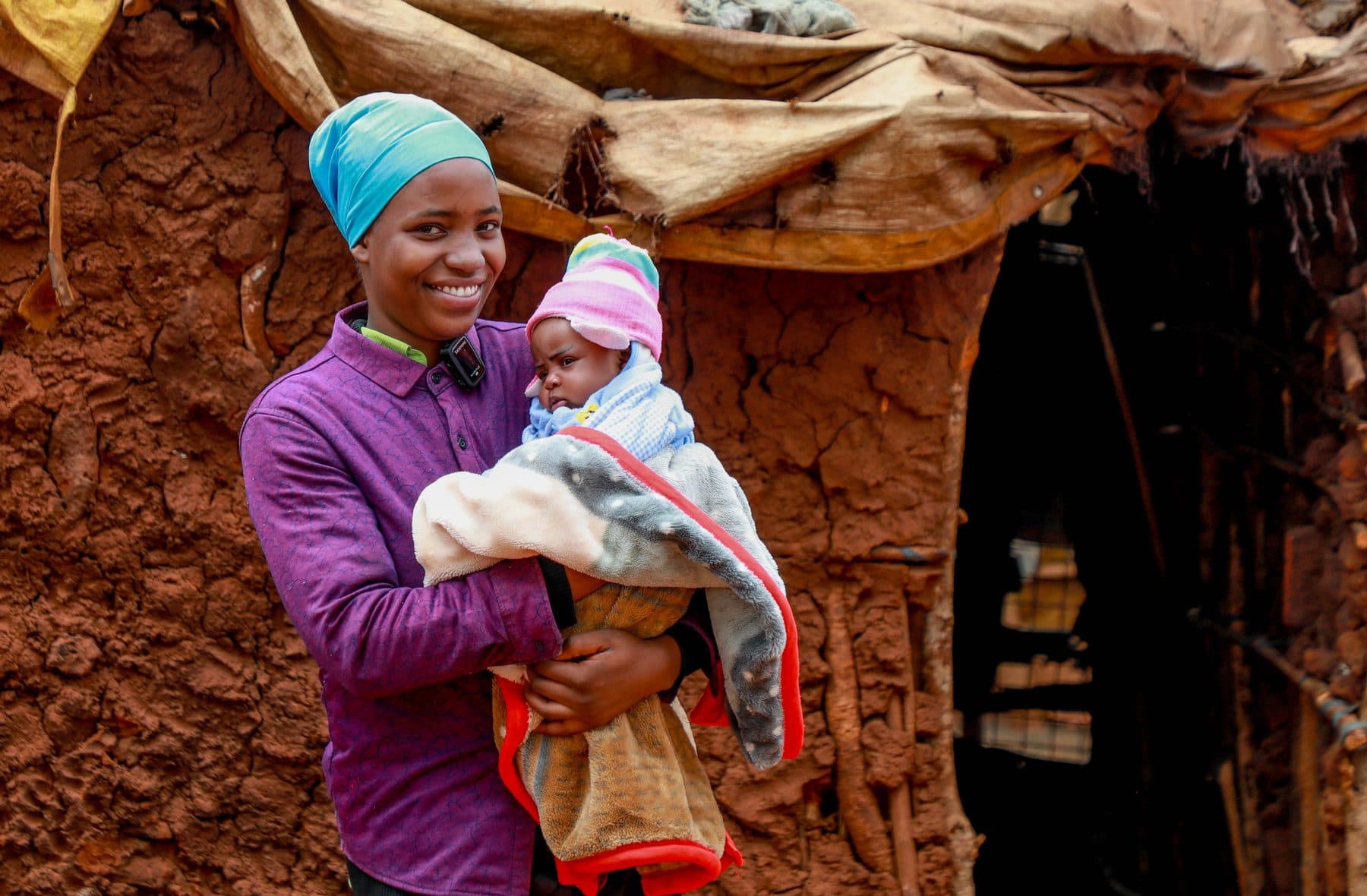
The Roadmap builds on Tanzania’s sustained journey of political leadership, accountability, health system reform and investment in maternal, newborn and child health. Over more than a decade, Tanzania strengthened primary health care, infrastructure, referral systems, workforce, community systems, commodities, digital platforms and financing.
O que mudou
Resultados reportados
Maternal mortality ratio
556104
per 100,000 live births
2015/16 to 2022 TDHSNeonatal mortality
2624
per 1,000 live births
2010 to 2022Facility deliveries
51%81%
of births
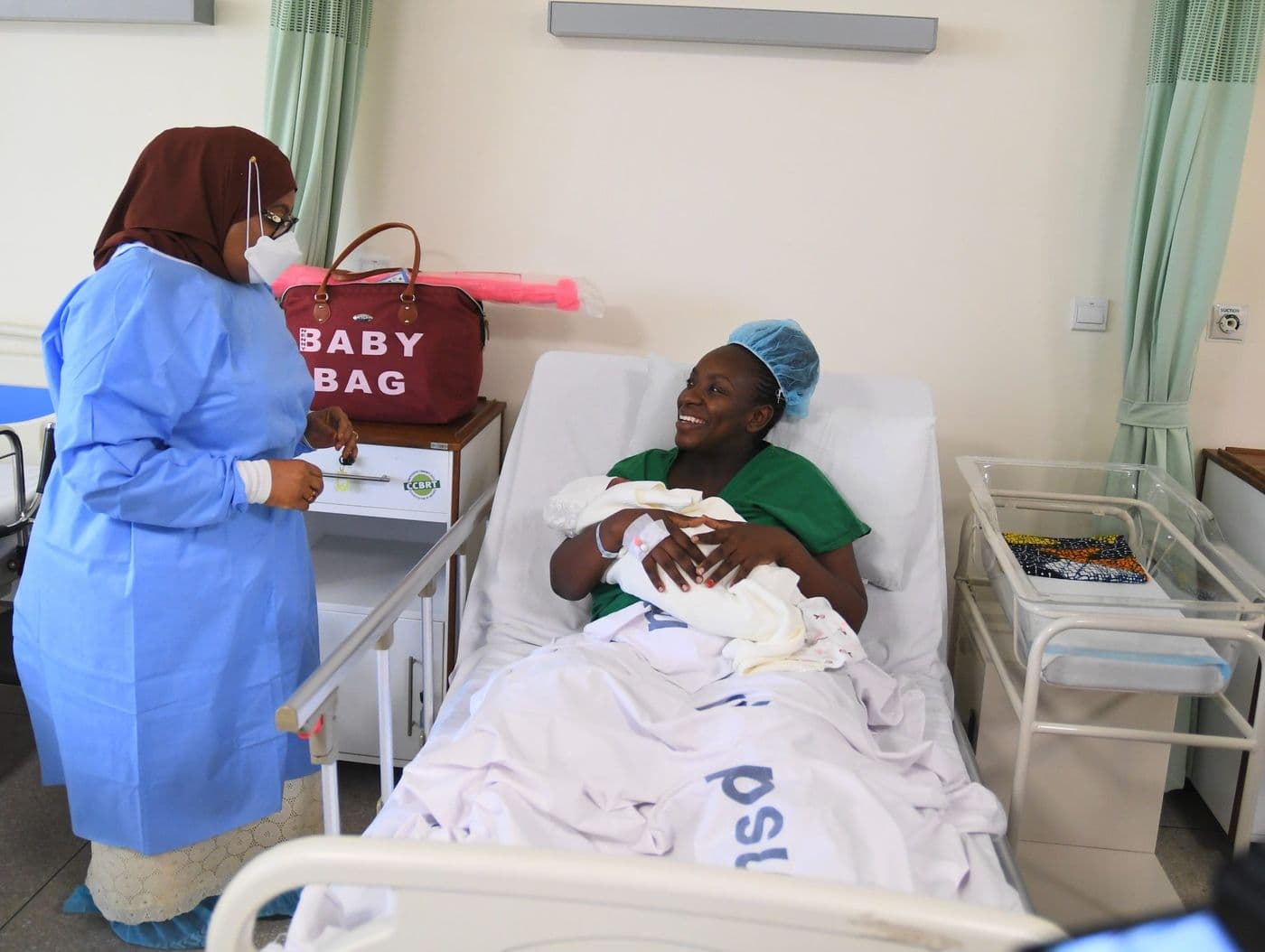
2010 to 2022Skilled birth attendance
49%85%
of births
2010 to 2022
O que foi construído
Infraestruturas, profissionais e sistemas comunitários
- Health facilities
- Network expanded from approximately 10,000 to 13,700 facilities by March 2026, including 119 district hospitals, 649 health centres and more than 2,700 dispensaries constructed.
- Comprehensive emergency obstetric and newborn care
- Health centres providing CEmONC increased from 115 in 2015 to approximately 630 in 2026.
- Comprehensive neonatal care units
- Increased from 14 in 2018 to 438 in 2026, with a further 61 in advanced plans for construction.
- Health workforce
- Increased by approximately 70 per cent since 2022. The Samia Scholarship Programme supported nearly 3,000 health professionals in mid-cadre, specialist and super-specialist training.
- Community health workers
- The Integrated Community Health Workers Programme has trained more than 13,000 community health workers since 2024, towards a national ambition of more than 137,000 by 2030.
Reformas do sistema
Os mecanismos por trás da mudança
- Jiongeze Tuwavushe Salama
- Launched in 2018 by H.E. Dr. Samia Suluhu Hassan, then Vice President — the Go the Extra Mile campaign for accountability to save the lives of mothers and newborns, linking regional and district leadership to measurable health outcomes.
- National RMNCH Scorecard
- Introduced in 2014, strengthening performance tracking and accountability.
- m-Mama
- Strengthened emergency transport and referral.
- One Plan III
- The national RMNCAH service delivery and readiness framework.
- MPDSR and digital systems
- Maternal and Perinatal Death Surveillance and Response alongside digital performance monitoring, strengthening data use and accountability.
- Financing reforms
- The Health Basket Fund, Direct Health Facility Financing, results-based financing, the National Health Insurance Fund and the Universal Health Insurance Act of 2023 connected national priorities, financing and frontline delivery.
Lições
O que é transferível
- 01
Political leadership has greater impact when linked to measurable accountability.
- 02
Strong primary health care and community systems connect households to prevention, early identification, referral and follow-up, particularly for underserved populations.
- 03
Increased access must be matched by quality, emergency readiness and functional referral.
- 04
Infrastructure must be matched by competent health workers, essential medicines, blood, oxygen, functioning equipment and reliable supply chains.
- 05
Data must lead to action — evidence that identifies gaps, assigns responsibility, guides correction and tracks performance.
Uma ressalva importante
The Roadmap does not seek to replicate Tanzania’s model. Member States retain ownership and determine the interventions required by their epidemiologic patterns, health system capacity, financing environment and national priorities. Through the Tanzania Continental Hub for South–South Exchange, Tanzania will contribute its experience while learning from other AU Member States.
A lacuna de execução
Não uma ausência de estratégias
O desafio central de África em SRMNIA é a fraca tradução das prioridades nacionais em ação financiada e pronta a executar. Os casos de investimento apoiam a definição de prioridades, mas não se traduzem sistematicamente em orçamentos anuais, planos de trabalho subnacionais orçamentados, disponibilidade fiável de produtos ou sistemas de referenciação funcionais.
Revisão documental do Africa CDC, julho de 2026. Até 2030, os Estados-Membros apoiados deverão dispor de arranjos prontos a executar que liguem as prioridades nacionais a ações anuais e subnacionais orçamentadas, financiamento disponível, responsabilidades claramente atribuídas e revisão de desempenho regular.
Estado dos casos de investimento em SRMNIA nos 55 Estados-Membros
- Caso de investimento — current/active
- 28
- Requires updating or renewal
- 12
- Broader/de facto national arrangement
- 5
- No standalone investment case
- 10
Priorização dos países
Como o apoio é dirigido
A priorização orienta onde são mobilizados a assistência técnica intensificada, o apoio ao financiamento e o apoio catalisador à execução. Não constitui uma classificação permanente dos países nem determina a participação no Roteiro.
- Carga de mortalidade materna, neonatal e de nados-mortos, e distância às metas ODS 3.1 e 3.2
- Trajetória e ritmo do progresso
- Concentração da mortalidade, iniquidades e lacunas de prontidão dos serviços, incluindo ao nível subnacional
- Constrangimentos de execução e do sistema de saúde
- Lacunas de financiamento
- Prontidão do país e potencial do apoio catalisador para gerar resultados adicionais mensuráveis