Ìpìlẹ̀ ẹ̀rí
Bí ọdún mẹ́wàá ìmúṣẹ ṣe rí
Àṣẹ náà dá lé ìtàn orílẹ̀-èdè tí a kọ sílẹ̀. Orí 1.3 Àwòrán Ọ̀nà gbé ohun tí Tanzania kọ́, ohun tí ó yípadà, àti àwọn ẹ̀kọ́ tí ó lè ṣí lọ kalẹ̀.
Ìtàn Tanzania- 104
- ikú ìyá fún ìbí ààyè 100,000, gẹ́gẹ́ bí a ṣe ròyìn — láti 556 láàrin ìwádìí 2015/16 àti 2022Tanzania Demographic and Health Survey and Malaria Indicator Survey, 2022
Àwòṣe Tanzania
Ìdarí òṣèlú, pẹ̀lú ìdókòwò
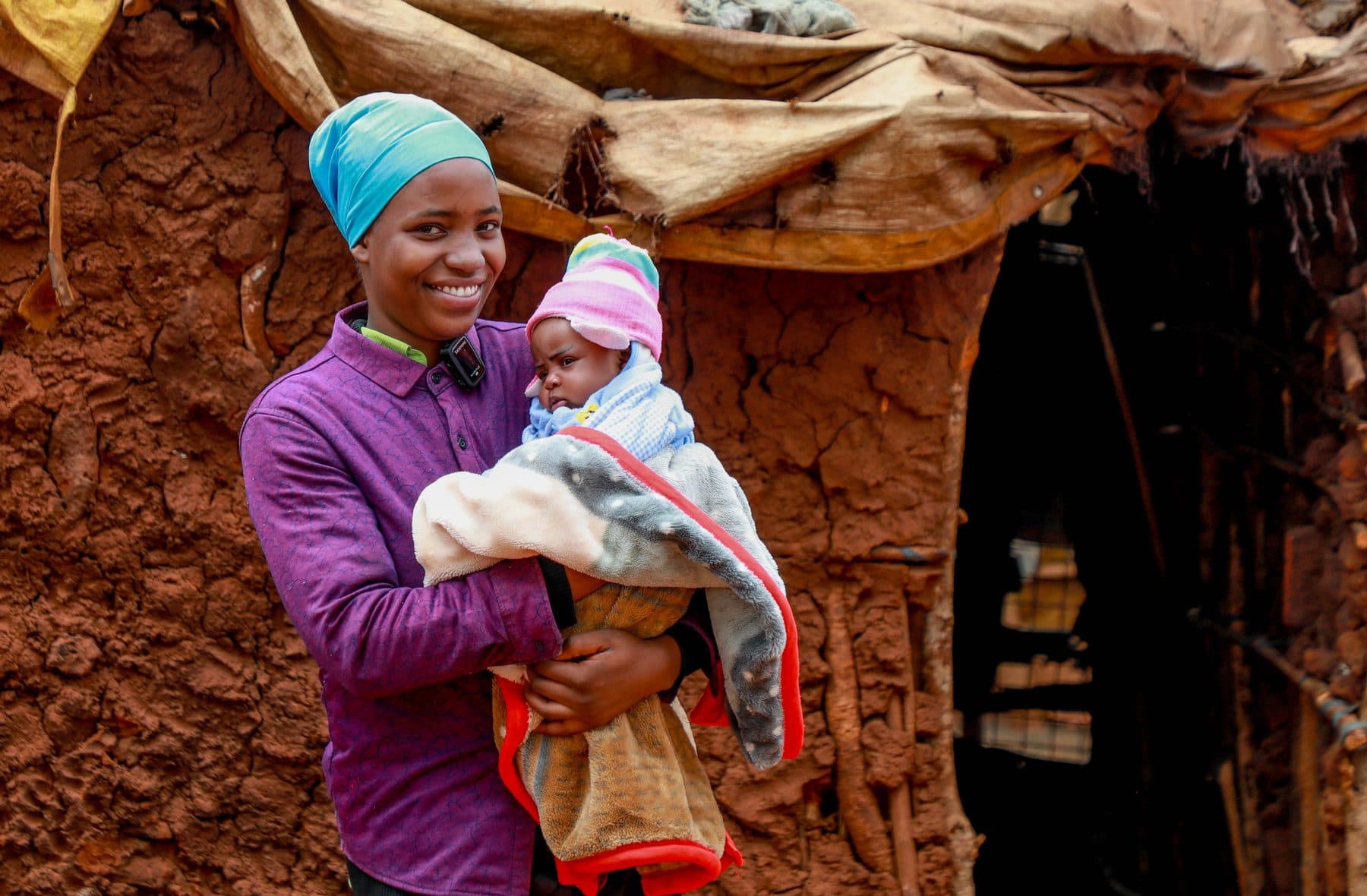
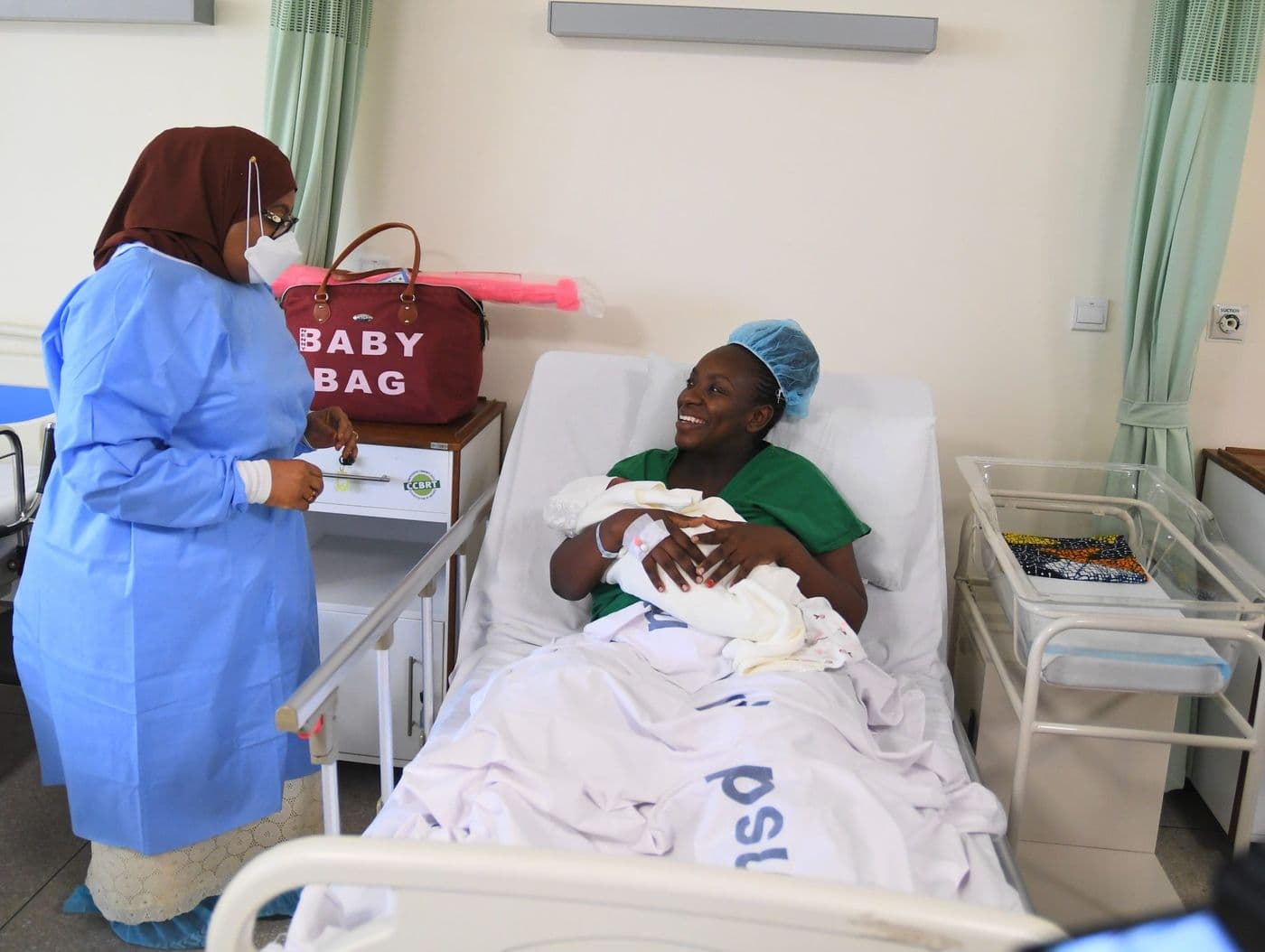
The Roadmap builds on Tanzania’s sustained journey of political leadership, accountability, health system reform and investment in maternal, newborn and child health. Over more than a decade, Tanzania strengthened primary health care, infrastructure, referral systems, workforce, community systems, commodities, digital platforms and financing.
Ohun tí ó yípadà
Àwọn àbájáde tí a ròyìn
Maternal mortality ratio
556104
per 100,000 live births
2015/16 to 2022 TDHSNeonatal mortality
2624
per 1,000 live births
2010 to 2022Facility deliveries
51%81%
of births
2010 to 2022Skilled birth attendance
49%85%
of births
2010 to 2022
Ohun tí a kọ́
Ohun àmúṣe, òṣìṣẹ́ àti ètò àdúgbò
- Health facilities
- Network expanded from approximately 10,000 to 13,700 facilities by March 2026, including 119 district hospitals, 649 health centres and more than 2,700 dispensaries constructed.
- Comprehensive emergency obstetric and newborn care
- Health centres providing CEmONC increased from 115 in 2015 to approximately 630 in 2026.
- Comprehensive neonatal care units
- Increased from 14 in 2018 to 438 in 2026, with a further 61 in advanced plans for construction.
- Health workforce
- Increased by approximately 70 per cent since 2022. The Samia Scholarship Programme supported nearly 3,000 health professionals in mid-cadre, specialist and super-specialist training.
- Community health workers
- The Integrated Community Health Workers Programme has trained more than 13,000 community health workers since 2024, towards a national ambition of more than 137,000 by 2030.
Àtúnṣe ètò
Àwọn ọ̀nà tí ó wà lẹ́yìn ìyípadà náà
- Jiongeze Tuwavushe Salama
- Launched in 2018 by H.E. Dr. Samia Suluhu Hassan, then Vice President — the Go the Extra Mile campaign for accountability to save the lives of mothers and newborns, linking regional and district leadership to measurable health outcomes.
- National RMNCH Scorecard
- Introduced in 2014, strengthening performance tracking and accountability.
- m-Mama
- Strengthened emergency transport and referral.
- One Plan III
- The national RMNCAH service delivery and readiness framework.
- MPDSR and digital systems
- Maternal and Perinatal Death Surveillance and Response alongside digital performance monitoring, strengthening data use and accountability.
- Financing reforms
- The Health Basket Fund, Direct Health Facility Financing, results-based financing, the National Health Insurance Fund and the Universal Health Insurance Act of 2023 connected national priorities, financing and frontline delivery.
Àwọn ẹ̀kọ́
Ohun tí ó lè ṣí lọ
- 01
Political leadership has greater impact when linked to measurable accountability.
- 02
Strong primary health care and community systems connect households to prevention, early identification, referral and follow-up, particularly for underserved populations.
- 03
Increased access must be matched by quality, emergency readiness and functional referral.
- 04
Infrastructure must be matched by competent health workers, essential medicines, blood, oxygen, functioning equipment and reliable supply chains.
- 05
Data must lead to action — evidence that identifies gaps, assigns responsibility, guides correction and tracks performance.
Àlàyé pàtàkì kan
The Roadmap does not seek to replicate Tanzania’s model. Member States retain ownership and determine the interventions required by their epidemiologic patterns, health system capacity, financing environment and national priorities. Through the Tanzania Continental Hub for South–South Exchange, Tanzania will contribute its experience while learning from other AU Member States.
Àlàfo ìmúṣẹ
Kì í ṣe àìsí ìlànà
Ìṣòro pàtàkì Áfíríkà nínú RMNCAH ni àìlera nínú yíyí àwọn ohun pàtàkì orílẹ̀-èdè padà sí ìgbésẹ̀ tí ó ní owó tí ó sì ti múra sílẹ̀ fún ìmúṣẹ. Àwọn ọ̀rọ̀ ìdókòwò ń ṣe àtìlẹ́yìn fún ìṣàkóso ohun pàtàkì, ṣùgbọ́n wọn kì í yí padà déédéé sí ìnáwó ọdọọdún, ètò iṣẹ́ agbègbè tí a ti ṣírò owó rẹ̀, wíwà ọjà tó ṣeé gbẹ́kẹ̀lé tàbí ètò ìtọ́kasí tí ó ń ṣiṣẹ́.
Àyẹ̀wò tábìlì Africa CDC, Oṣù Keje 2026. Ní 2030, àwọn orílẹ̀-èdè ọmọ ẹgbẹ́ tí a ń ṣe àtìlẹ́yìn fún gbọ́dọ̀ ní ìṣètò tí ó ti múra fún ìmúṣẹ tí ó so àwọn ohun pàtàkì orílẹ̀-èdè pọ̀ mọ́ ìgbésẹ̀ ọdọọdún àti agbègbè tí a ti ṣírò owó rẹ̀, ìnáwó tí ó wà, ojúṣe tí a pín kedere àti àyẹ̀wò iṣẹ́ déédéé.
Ipò ọ̀rọ̀ ìdókòwò RMNCAH ní gbogbo orílẹ̀-èdè ọmọ ẹgbẹ́ 55
- Ọ̀rọ̀ ìdókòwò — current/active
- 28
- Requires updating or renewal
- 12
- Broader/de facto national arrangement
- 5
- No standalone investment case
- 10
Ìṣàkóso ohun pàtàkì orílẹ̀-èdè
Bí a ṣe ń darí àtìlẹ́yìn
Ìṣàkóso ohun pàtàkì ń darí ibi tí a ti ń rán ìrànlọ́wọ́ ìmọ̀-ẹ̀rọ tí a gbé ga, àtìlẹ́yìn ìnáwó àti àtìlẹ́yìn amúnisọ̀rọ̀ ìmúṣẹ. Kì í ṣe ìpò orílẹ̀-èdè pípẹ́, kò sì pinnu ìkópa nínú Àwòrán Ọ̀nà.
- Ẹrù ikú ìyá, ọmọ tuntun àti ìbí òkú, àti ìjìnnà sí góńgó SDG 3.1 àti 3.2
- Ọ̀nà àti ìyára ìlọsíwájú
- Ìkójọpọ̀ ikú, àìdọ́gba àti àlàfo ìmúrasílẹ̀ iṣẹ́, pẹ̀lú ní ipele agbègbè
- Ìdíwọ́ ìmúṣẹ àti ti ètò ìlera
- Àlàfo ìnáwó
- Ìmúrasílẹ̀ orílẹ̀-èdè àti agbára àtìlẹ́yìn amúnisọ̀rọ̀ láti mú àbájáde àfikún tí a lè díwọ̀n jáde