Isisekelo sobufakazi
Ukuthi ishumi leminyaka lokufezekisa libukeka kanjani
Igunya lisekelwe emlandweni wezwe obhaliwe. ISahluko 1.3 soHlelo Lwendlela sibeka lokho iTanzania eyakwakhayo, okushintshile, nokuthi yiziphi izifundo ezidluliselwayo.
Umlando waseTanzania- 104
- ukushona komama kuzo zonke izingane eziyi-100,000 ezizalwa ziphila, njengoba kubikiwe — kusuka ku-556 phakathi kocwaningo luka-2015/16 nolwango-2022Tanzania Demographic and Health Survey and Malaria Indicator Survey, 2022
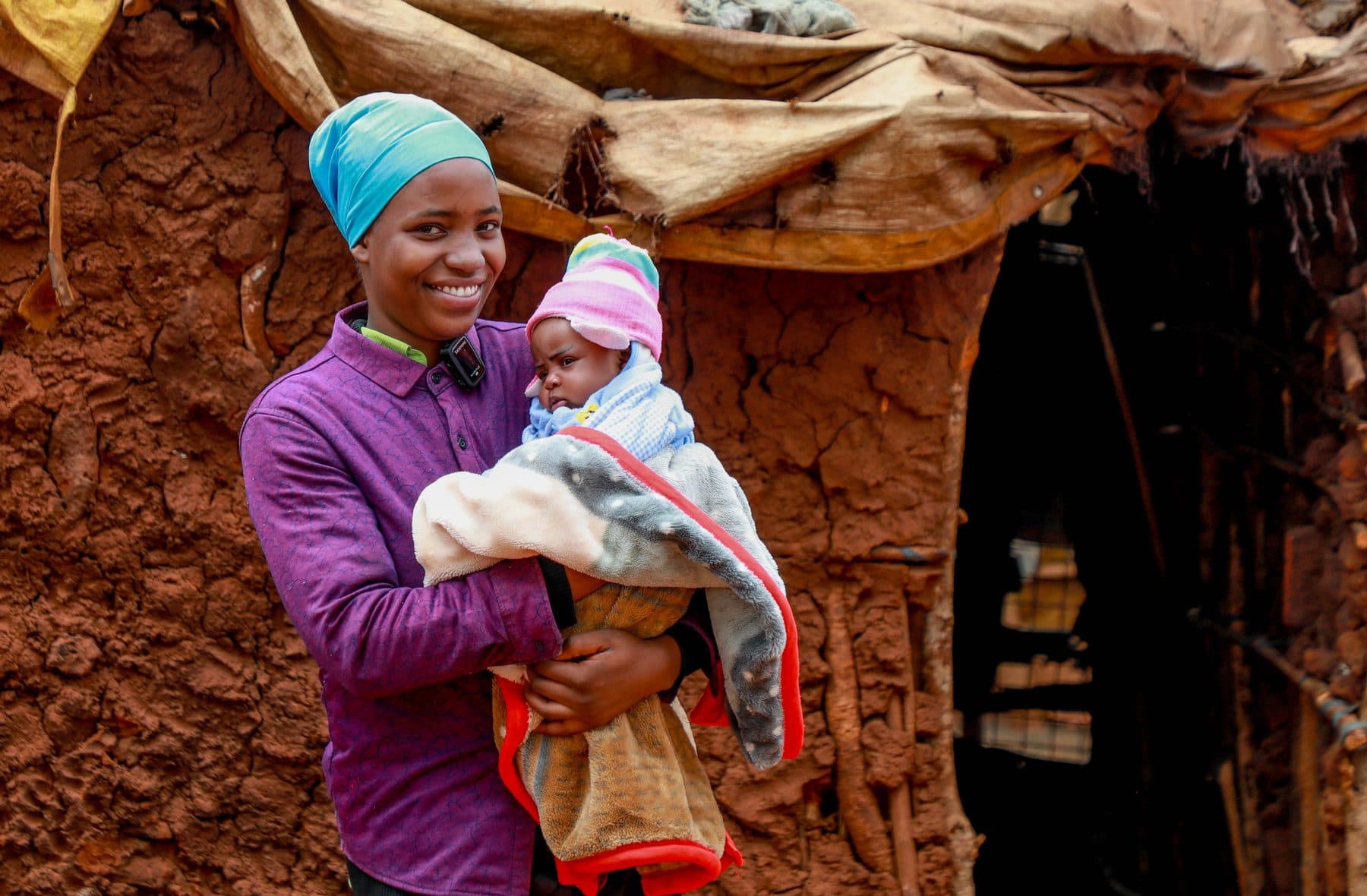
Imodeli yaseTanzania
Ubuholi bezombusazwe, obuhambisana nokutshalwa kwezimali
The Roadmap builds on Tanzania’s sustained journey of political leadership, accountability, health system reform and investment in maternal, newborn and child health. Over more than a decade, Tanzania strengthened primary health care, infrastructure, referral systems, workforce, community systems, commodities, digital platforms and financing.
Okushintshile
Imiphumela ebikiwe
Maternal mortality ratio
556104
per 100,000 live births
2015/16 to 2022 TDHSNeonatal mortality
2624
per 1,000 live births
2010 to 2022Facility deliveries
51%81%
of births
2010 to 2022Skilled birth attendance
49%85%
of births
2010 to 2022
Okwakhiwe
Ingqalasizinda, abasebenzi nezinhlelo zomphakathi
- Health facilities
- Network expanded from approximately 10,000 to 13,700 facilities by March 2026, including 119 district hospitals, 649 health centres and more than 2,700 dispensaries constructed.
- Comprehensive emergency obstetric and newborn care
- Health centres providing CEmONC increased from 115 in 2015 to approximately 630 in 2026.
- Comprehensive neonatal care units
- Increased from 14 in 2018 to 438 in 2026, with a further 61 in advanced plans for construction.
- Health workforce
- Increased by approximately 70 per cent since 2022. The Samia Scholarship Programme supported nearly 3,000 health professionals in mid-cadre, specialist and super-specialist training.
- Community health workers
- The Integrated Community Health Workers Programme has trained more than 13,000 community health workers since 2024, towards a national ambition of more than 137,000 by 2030.
Izinguquko zohlelo
Izindlela ezingemuva koshintsho
- Jiongeze Tuwavushe Salama
- Launched in 2018 by H.E. Dr. Samia Suluhu Hassan, then Vice President — the Go the Extra Mile campaign for accountability to save the lives of mothers and newborns, linking regional and district leadership to measurable health outcomes.
- National RMNCH Scorecard
- Introduced in 2014, strengthening performance tracking and accountability.
- m-Mama
- Strengthened emergency transport and referral.
- One Plan III
- The national RMNCAH service delivery and readiness framework.
- MPDSR and digital systems
- Maternal and Perinatal Death Surveillance and Response alongside digital performance monitoring, strengthening data use and accountability.
- Financing reforms
- The Health Basket Fund, Direct Health Facility Financing, results-based financing, the National Health Insurance Fund and the Universal Health Insurance Act of 2023 connected national priorities, financing and frontline delivery.
Izifundo
Okudluliselwayo
- 01
Political leadership has greater impact when linked to measurable accountability.
- 02
Strong primary health care and community systems connect households to prevention, early identification, referral and follow-up, particularly for underserved populations.
- 03
Increased access must be matched by quality, emergency readiness and functional referral.
- 04
Infrastructure must be matched by competent health workers, essential medicines, blood, oxygen, functioning equipment and reliable supply chains.
- 05
Data must lead to action — evidence that identifies gaps, assigns responsibility, guides correction and tracks performance.
Inkinga ebalulekile
The Roadmap does not seek to replicate Tanzania’s model. Member States retain ownership and determine the interventions required by their epidemiologic patterns, health system capacity, financing environment and national priorities. Through the Tanzania Continental Hub for South–South Exchange, Tanzania will contribute its experience while learning from other AU Member States.
Igebe lokufezekisa
Akukhona ukuntuleka kwamasu
Inselelo eyinhloko ye-Afrika ku-RMNCAH ukuhumusha okubuthakathaka kwezinto ezibalulekile zikazwelonke zibe isinyathelo esinezimali nesilungele ukufezekiswa. Amacala okutshalwa kwezimali asekela ukubeka okubalulekile, kodwa awahumusheki njalo abe izabelomali zaminyaka yonke, izinhlelo zomsebenzi zezifunda ezibalwe izindleko, ukutholakala kwempahla okuthembekile noma izinhlelo zokuthunyela ezisebenzayo.
Ukubuyekezwa kwetafula kwe-Africa CDC, uJulayi 2026. Ngo-2030, amazwe angamalungu asekelwayo kufanele abe namalungiselelo alungele ukufezekiswa axhumanisa izinto ezibalulekile zikazwelonke nezinyathelo zaminyaka yonke nezezifunda ezibalwe izindleko, ezezimali ezitholakalayo, izibopho ezibekwe ngokucacile nokubuyekezwa kokusebenza okujwayelekile.
Isimo samacala okutshalwa kwezimali e-RMNCAH kuwo wonke amazwe angamalungu angama-55
- Icala lokutshalwa kwezimali — current/active
- 28
- Requires updating or renewal
- 12
- Broader/de facto national arrangement
- 5
- No standalone investment case
- 10
Ukubeka amazwe phambili
Ukuthi ukusekelwa kuqondiswa kanjani
Ukubeka phambili kuqondisa lapho ukusizwa kobuchwepheshe okuqinisiwe, ukusekelwa kwezezimali nokusekelwa kokufezekisa okugqugquzelayo kuthunyelwa khona. Akulona ukubekwa kwamazwe okuhlala njalo futhi akunqumi ukubamba iqhaza kuHlelo Lwendlela.
- Umthwalo wokushona komama, kwezingane ezisanda kuzalwa nowokuzalwa kwabafileyo, nebanga elisuka emigomeni ye-SDG 3.1 no-3.2
- Indlela nesivinini senqubekelaphambili
- Ukuhlangana kokushona, ukungalingani namagebe okulunga kwezinsizakalo, kufaka phakathi ezingeni lesifunda
- Imikhawulo yokufezekisa neyohlelo lwezempilo
- Amagebe ezezimali
- Ukulunga kwezwe namandla okusekelwa okugqugquzelayo ukukhiqiza imiphumela eyengeziwe engalinganiswa